
Blogs
2026 Outlook: What’s Ahead for Mechanical Metal Finishing
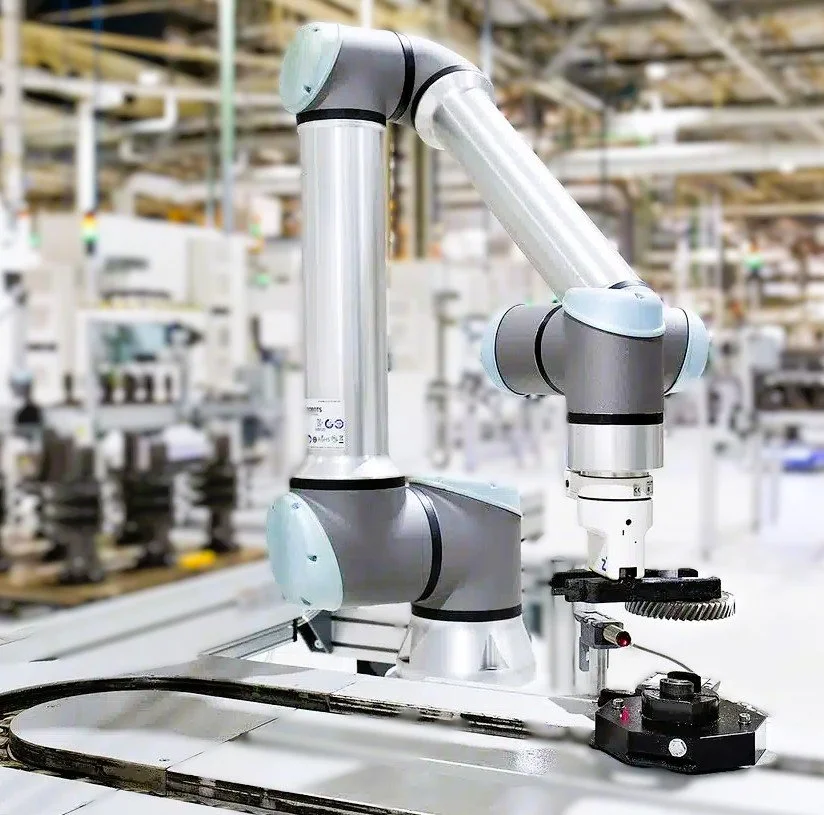
In 2026 and beyond, the integration of robotics and automation in manufacturing and metal finishing continues to advance rapidly, driving increased efficiency, precision, and consistency. These technologies enable companies like Engineered Finishing Inc. to reduce lead times, improve quality control, and minimize human error, all while handling complex or delicate processes such as abrasive flow machining and vibratory tumbling with greater reliability. Automation also allows for scalable production, meeting growing customer demands without compromising service excellence. As industry standards evolve, embracing robotics remains essential for maintaining competitiveness and delivering high-quality metal finishing solutions.

The Importance of Metal Finishing
Reach out to EFI today to get a fast, free quote for your projects!

The Human Touch in a High-Tech World
Hand deburring, sanding, and filling with putty are key steps in achieving high-quality finished metal parts. Hand deburring removes sharp edges and burrs that can cause safety hazards, interfere with assembly, or affect part performance. It ensures a smooth, clean edge that meets tight tolerances. Sanding refines the surface texture, eliminating scratches, tool marks, and imperfections to create a uniform finish that improves both aesthetics and functionality. Filling with putty addresses surface defects such as pits, cracks, or voids, providing a smooth and consistent surface that is essential for subsequent coatings or plating processes. Together, these processes enhance the durability, appearance, and overall quality of the part, meeting customer specifications and industry standards.

